
Article
Why Students, Parents, and Teachers Must Work Together for a Better Society?
Education has always been considered the backbone of society, but in today’s rapidly evolving world, it is no longer confined to classrooms or textbooks. The future of education lies in collaboration—where students, parents, and teachers work together as a unified ecosystem.
- Why collaboration between students, parents, and teachers is essential
- How each stakeholder shapes academic, emotional, and social growth
- Why this partnership matters even more in the future of education
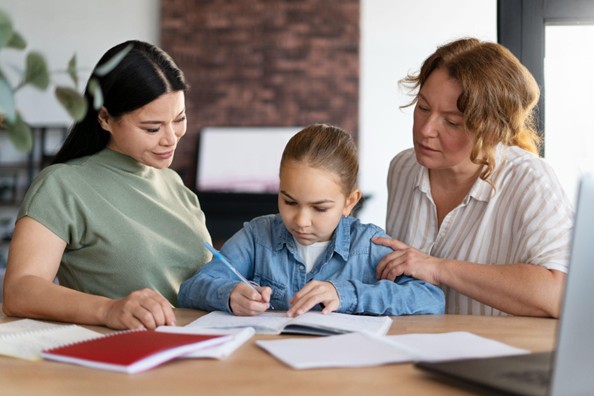
The Foundation of a Strong Future
Education has always been considered the backbone of society, but in today’s rapidly evolving world, it is no longer confined to classrooms or textbooks. The future of education lies in collaboration—where students, parents, and teachers work together as a unified ecosystem. This partnership is not just beneficial; it is essential for building a responsible, innovative, and emotionally intelligent society.
As we step into an era driven by artificial intelligence, digital transformation, and global interconnectedness, the roles of each stakeholder in education are evolving. No longer can learning be a one-directional process. Instead, it must become a shared journey, where guidance, support, and responsibility are distributed among all.
The Evolving Role of Teachers
Teachers are no longer just providers of knowledge—they are mentors, facilitators, and guides. In the future, classrooms will be powered by smart technologies, but the human connection between teacher and student will remain irreplaceable.
Teachers will guide students in critical thinking rather than rote memorization, help them navigate digital information wisely, and foster creativity, empathy, and collaboration. However, teachers alone cannot shape a child’s future. Without support from parents and active participation from students, even the best teaching methods may fall short.
Parents as Learning Partners
In the past, parents were seen as external supporters of education. Today, and even more so in the future, they are becoming active learning partners. Parents play a crucial role in reinforcing learning at home, building discipline and values, and supporting emotional well-being.
With the rise of online learning and AI-driven education tools, parents are now more involved than ever. They can track progress, understand their child’s strengths and weaknesses, and provide timely support. In a futuristic society, parenting will go beyond supervision—it will involve co-learning, where parents grow alongside their children, adapting to new knowledge and skills together.
Students as Active Contributors
Students are no longer passive receivers of information. They are active contributors to their own learning journey. The future demands students who ask questions, think independently, collaborate effectively, and take responsibility for their growth.
When students actively engage with teachers and communicate openly with parents, learning becomes meaningful and impactful. They develop not only academic skills but also life skills such as resilience, adaptability, and leadership.
The Power of Collaboration
The true transformation happens when students, parents, and teachers work together. This collaboration creates a consistent learning environment at school and home, a better understanding of student needs, and strong emotional and psychological support systems.
For example, when a teacher identifies a student struggling with a concept, timely communication with parents ensures reinforcement at home. Similarly, when parents share insights about a child’s behavior, teachers can adapt their approach in the classroom. This synergy leads to holistic development, where academic success is balanced with emotional intelligence and social responsibility.
A Futuristic Perspective: Education in 2035
Imagine a classroom in the year 2035: AI systems personalize lessons for every student, virtual reality allows students to explore history, science, and geography firsthand, and real-time data connects teachers and parents instantly. In such a world, collaboration becomes even more critical.
Teachers will interpret AI insights, parents will support implementation at home, and students will engage with personalized learning paths. Together, they will create an ecosystem where education is continuous, adaptive, and deeply connected. Without collaboration, even the most advanced technology will fail to deliver its true potential.
Building Values for a Better Society
Education is not just about academic success—it is about building responsible citizens. When students, parents, and teachers work together, students learn respect, empathy, and ethics, parents reinforce values at home, and teachers model discipline and integrity.
This combined effort shapes individuals who contribute positively to society, respect diversity, and solve problems collaboratively. A better society is not built by individuals alone but by communities that learn and grow together.
Bridging Gaps and Reducing Challenges
One of the biggest challenges in education today is the disconnect between home and school. Miscommunication, lack of involvement, and differing expectations can hinder a child’s growth. Collaboration helps bridge communication gaps, align expectations, and create a unified support system.
In the future, digital platforms and AI tools will make this collaboration seamless. Regular updates, shared goals, and continuous feedback will ensure that no child is left behind.
The Way Forward
The future of education is not about replacing humans with technology but about enhancing human connections through collaboration. Students, parents, and teachers must communicate openly, share responsibilities, and support each other consistently.
This triad forms the foundation of a progressive education system and, ultimately, a better society.
Conclusion
A better society begins with better education, and better education begins with strong partnerships. When students take ownership of their learning, parents actively support and guide, and teachers inspire and mentor, the result is a generation that is not only knowledgeable but also compassionate and capable.
As we move into a future shaped by rapid change, this collaboration will become more important than ever. Together, students, parents, and teachers can create a world where education is not just a system, but a shared mission to build a brighter, more inclusive, and empowered society.